
Event logistics
How to Plan Matchweek Transportation in DFW Without Last-Minute Chaos
A practical framework for coordinating airport arrivals, hotel movement, and stadium windows for high-demand event weeks.
May 2026 · 6 min read

Major tournament weeks compress demand into narrow windows, and transportation errors usually happen at transitions: airport to hotel, hotel to venue, and venue back to hospitality or private events. The most common mistake is booking each ride independently. A better approach is to map movement as a single itinerary with linked checkpoints.
Begin with fixed anchors: arrivals, check-in deadlines, credential collection, and kickoff times. Once those are confirmed, build your transportation blocks around them with realistic padding. In DFW event weeks, 15-minute assumptions can become 45-minute realities around venue corridors.
Group movement needs role clarity. Assign one travel coordinator as the single source of truth for all route and timing updates. This removes conflicting instructions and keeps dispatch communication clean when plans shift in real time.
Use tiered readiness windows for pickups. For high-priority guests, set a primary pickup target, a readiness check time, and a final move-by threshold. These internal markers dramatically reduce late departures without creating guest pressure.
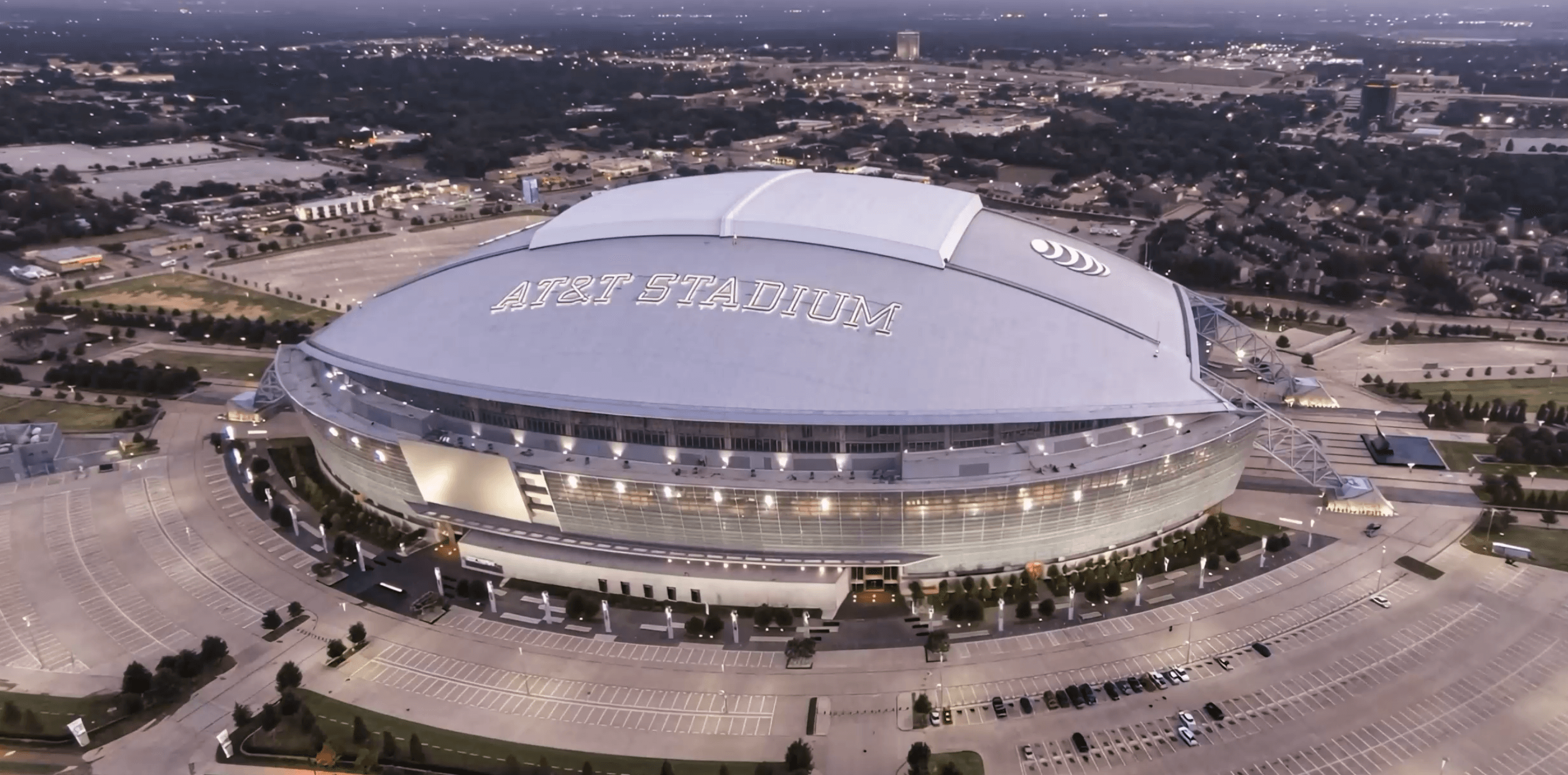
If your schedule includes stadium entry and post-match exits, plan traffic asymmetry. Inbound and outbound flows often behave like different cities. Build separate assumptions for pre-match and post-match movement rather than mirroring one timeline both ways.
Vehicle assignment should match purpose, not just headcount. VIP handoffs, hosted partner movement, and general group transfers can require different presentation standards and route flexibility. Segmenting these early prevents expensive reshuffles on matchday.
Finally, protect the day with a contingency layer: one backup timing window and a clear escalation path for itinerary changes. The goal is not just on-time arrival, but calm execution under pressure. In high-demand periods, confidence is a logistics outcome.
Related articles
General
Where to Stay in DFW: A Complete Guide for Every Type of Traveler in 2026
DFW is a sprawling metroplex. Here's where to stay based on why you're visiting, from game days to business trips to budget getaways.

Holiday travel
Thanksgiving Week in DFW: Booking Airport Transportation When Everyone Else Is Too
The busiest travel week of the year at one of the busiest airports in the world, plus a Cowboys game on the holiday itself. How to book airport transfers for Thanksgiving week in Dallas–Fort Worth and not regret it.